




It’s Not Too Late to Protect Yourself Against the Flu
National Influenza Vaccination Week: December 7–13, 2026
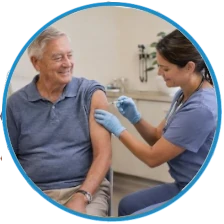
December brings holiday gatherings, family visits, and an important reminder: there is still time to get your annual flu vaccine.
National Influenza Vaccination Week highlights the importance of continuing vaccination throughout flu season. Although September and October are generally the preferred months to get vaccinated, a flu vaccine can still provide protection in December and later, as long as flu viruses are circulating. Flu activity often peaks between December and March and can continue into May.
Because flu viruses change and vaccine protection decreases over time, vaccination is recommended every flu season for everyone age 6 months and older, with rare exceptions. It takes about two weeks after vaccination for protective antibodies to develop, making now a good time to act before upcoming gatherings.
Why Flu Vaccination Matters for Older Adults
Adults aged 65 and older face a higher risk of serious flu complications, partly because immune defenses change with age. Annual vaccination is an important way to reduce the risk of flu illness and its potentially serious consequences. Even when a vaccinated person gets the flu, vaccination may make the illness less severe.
For the 2026–2027 flu season, CDC preferentially recommends one of three vaccine types for adults age 65 and older: a high-dose inactivated vaccine, a recombinant vaccine, or an adjuvanted inactivated vaccine. These options may offer better protection than standard-dose, unadjuvanted vaccines in this age group. If a preferred vaccine is unavailable, an older adult can receive another age-appropriate flu vaccine rather than miss the opportunity to be vaccinated. Ask your healthcare provider or pharmacist which option is appropriate for you.
Researchers are also studying possible connections between vaccination and brain health. A 2022 observational study found that flu vaccination was associated with a 40% lower risk of developing Alzheimer’s disease among adults age 65 and older during approximately four years of follow-up. However, this finding does not establish that flu vaccination prevents Alzheimer’s disease. Its established purpose remains protection against flu and its complications.
Protection for Children, Families, and People with Chronic Conditions
Flu vaccination is especially important for young children, pregnant women, and people with chronic conditions such as asthma, diabetes, and heart or lung disease, who face greater risks from flu.
Some children age 6 months through 8 years need two doses during a flu season, depending on their vaccination history. Parents should check with their child’s healthcare provider about the appropriate schedule.
Flu vaccination during pregnancy helps protect both the pregnant woman and her baby during the first months after birth. This protection is particularly valuable because infants younger than 6 months are too young to receive a flu vaccine themselves.
A Healthier Community Starts with Everyday Actions
Vaccination is particularly important for healthcare workers, caregivers, and family members who spend time with people at higher risk—including residents of skilled nursing communities. It works alongside other prevention habits: washing hands, covering coughs and sneezes, improving indoor air quality, and limiting contact with others when sick. Follow your care community’s current visitation and infection-prevention guidance.
If an older adult or another person at higher risk develops flu symptoms, contact a healthcare provider promptly. Prescription antiviral treatment works best when started early and may help prevent serious complications.
If you have not received your 2026–2027 flu vaccine, talk with your healthcare provider or pharmacist. Taking this step now can help protect your health throughout the months ahead.
 Dr. Ken Sebastianelli has served as Medical Director for Elan Skilled Nursing and Rehab, a Jewish Senior Life Community, since 2012. Dr. Sebastianelli is a board-certified Internal Medicine practitioner with Prime Med Medical Group, and is affiliated with Geisinger Community Medical Center and Moses Taylor Hospital. He is also a member of the Medical Executive Committee at Geisinger Community Medical Center.
